
Machine Operator Training: Building Practical Skills
Why Practical Machinery Skills Matter in Construction
Construction projects depend on people, equipment and carefully coordinated processes. Heavy machinery can perform tasks that would otherwise require significant time and physical effort. Excavators, TLBs, front loaders, graders and other machines support different stages of construction work.
However, equipment is only useful when operators understand how to use it responsibly. Machine operator training helps learners develop knowledge of equipment controls, operating procedures and workplace safety.
By ITT Institute, South africa
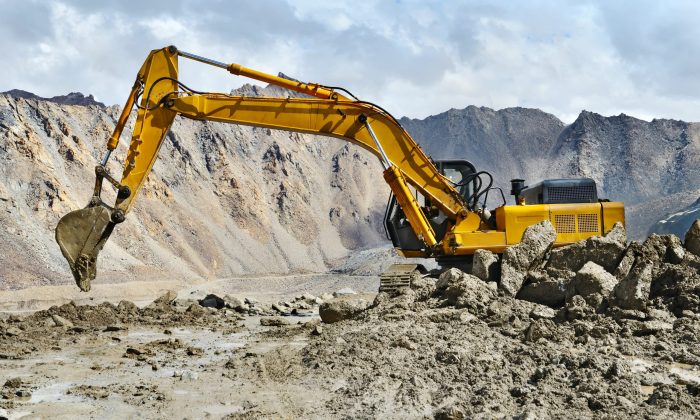
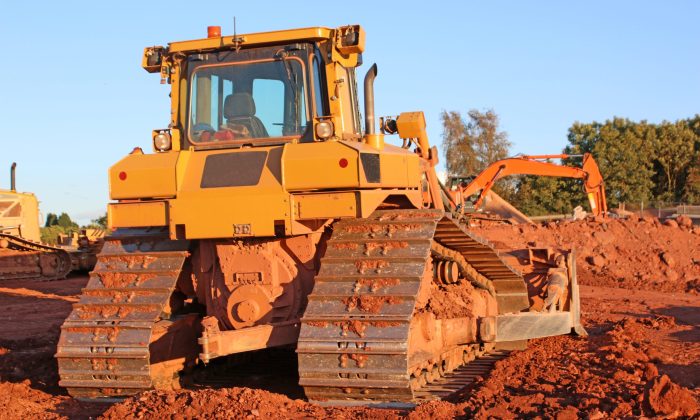
Construction Equipment Requires Proper Skills
Construction machinery can perform demanding tasks across different environments. Excavators can support excavation work, while front loaders can move and load materials. Graders can help prepare surfaces, while TLBs can perform multiple functions on a worksite.
Each machine has different controls and operating characteristics. Therefore, learners need training that relates specifically to the equipment they want to operate. Understanding the machine can help operators approach their responsibilities with greater awareness.
Practical Training Connects Knowledge With Operation
Reading about machinery is different from operating the equipment. Practical training allows learners to become familiar with controls, movements and operating procedures.
Machine operator training can combine instruction with practical activities. This helps learners connect technical information with the equipment itself. Practical exposure can also help learners understand how machinery responds during different tasks.
The exact structure of practical training depends on the programme and equipment involved. Therefore, learners should always confirm what practical components are included before enrolling.
Safety Is Part of Responsible Operation
Construction sites can contain workers, vehicles, machinery, materials and changing ground conditions. Operators must therefore understand their surroundings while performing their duties.
Training can introduce important workplace safety principles and operating procedures. Learners can also develop awareness of equipment checks and responsible machine handling. These principles are important when working around other people and machinery.
Safety requirements can differ between workplaces and equipment types. Operators should always follow the procedures established by their employer and applicable workplace requirements.
Develop Machinery Skills With ITT Institute
ITT Institute provides industry-related training for learners interested in practical machinery skills. Programmes can cover different equipment used within construction, earthmoving and related environments.
If you are considering machine operator training, start by identifying the equipment you want to operate. Then, research the training requirements and skills associated with that machine. This can help you select a programme that aligns with your intended career direction.
Start your application now!
frequently asked questions
Construction machinery performs demanding tasks across different work environments. Practical skills help operators understand equipment controls and responsible operating procedures.
Construction sites can use excavators, TLBs, front loaders, graders and other heavy equipment. The machinery depends on the project's requirements.
Machine operator training can cover equipment controls, operating procedures and workplace safety. Practical instruction can also help learners become familiar with specific machinery.
Practical training allows learners to apply what they have learned using suitable equipment. It can also help develop familiarity with machine movements and controls.
ITT Institute provides industry-related training for learners interested in practical machinery skills. Contact the institute to confirm available programmes and current requirements.