
Skills Training – Build Practical Career Skills
Introduction
South Africa’s employment landscape continues to change as industries develop new technologies, processes and workplace requirements. At the same time, many sectors continue to need people with practical and technical abilities. Construction, mining, logistics, manufacturing and engineering all depend on workers who can perform specialised tasks.
For this reason, Skills Training can play an important role in helping people prepare for practical careers. Training gives learners an opportunity to develop knowledge related to specific occupations. More importantly, practical programmes can help learners understand how skills apply to real workplace situations.
Choosing training should therefore involve more than selecting a course because it sounds interesting. Learners should consider their career goals, preferred industry and the practical abilities they want to develop. With the right approach, training can become an important foundation for future career development.
by itt institute, south africa

Why Practical Skills Matter in the Workplace
Employers operate in environments where workers need to perform tasks correctly and responsibly. Technical knowledge alone may not always prepare someone for the practical demands of a workplace. Workers also need to understand procedures, equipment, safety requirements and communication.
Practical Skills Training can help bridge this gap. Learners can develop knowledge around specific tasks while becoming more familiar with workplace expectations. For example, someone interested in machinery operation needs to understand more than the names of different machine controls. They need to understand responsible operation, equipment checks and awareness of their surroundings.
Furthermore, practical learning can help people identify areas where they need more development. A learner may understand a concept in theory but require additional practice before becoming comfortable with the task. Structured training provides an opportunity to build that understanding gradually.
Skills Development Across South African Industries
Different industries require different types of skills. Construction companies may need workers who understand earthmoving machinery and equipment operation. Mining environments can require people with specialised machinery and technical knowledge. Logistics and warehousing also depend on trained workers who can handle equipment safely.
Manufacturing and engineering provide another important area for technical skills. Welding and boilermaking, for example, involve practical processes that require attention to detail and responsible working methods. Therefore, learners should consider the industry they want to enter before selecting a programme.
This approach makes training more purposeful. Instead of choosing a course randomly, learners can identify a career direction and work backwards. They can determine which skills are relevant and then find training that supports those goals.
Practical Training and Workplace Confidence
Confidence can develop when learners understand how to approach a task. However, confidence should come from knowledge and practice rather than simply completing a course.
Practical Skills Training can introduce learners to equipment and processes within a structured learning environment. This can help them understand how different tasks work and why specific procedures matter. As learners become more familiar with their chosen field, they can develop a better understanding of workplace responsibilities.
At the same time, learners should recognise that training is only one stage of career development. Experience, continued learning and responsible workplace behaviour can also influence future opportunities.
Choosing Skills That Match Your Career Goals
One of the most important decisions is choosing a programme that matches your intended career direction. Someone interested in construction machinery may benefit from equipment-specific training. Another person may prefer welding or boilermaking because they want to develop technical fabrication skills.
Consider the type of work you enjoy and the environment where you would like to work. Do you prefer operating machinery? Would you rather work with metal and fabrication? Are you interested in construction, mining or logistics?
These questions can help narrow down your options. They can also prevent you from choosing training without understanding where the skills may be applied.
Why Technical Training Remains Relevant
Technology continues to influence workplaces, but practical skills remain important. Machines still require operators, equipment still requires maintenance and construction projects still require people who understand practical processes.
Technology can change how work is performed without removing the need for trained workers. In many cases, workers need to understand both traditional workplace principles and newer technologies.
Therefore, Skills Training should focus on building a strong foundation. Learners who understand their equipment, procedures and responsibilities can continue developing as workplace requirements change.
Explore Training Opportunities at ITT Institute
ITT Institute provides training programmes designed around practical skills development. The available programmes cover areas including machinery operation, welding and boilermaking.
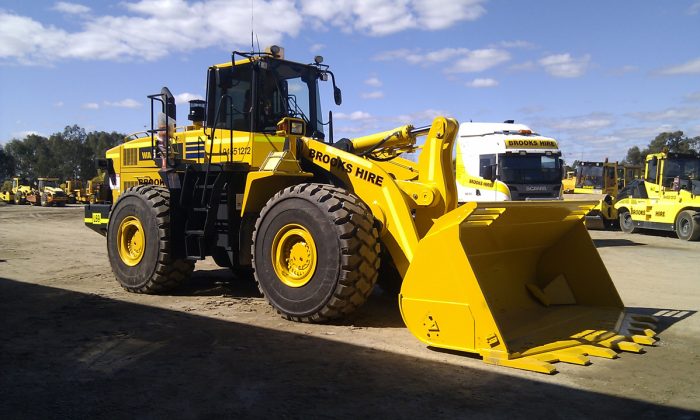
Learners can explore training such as forklift, excavator, dump truck, TLB, Bobcat, front loader, grader and mobile crane programmes. Welding and boilermaking training also provide options for people interested in technical fields.
Before applying, consider your preferred career direction and the skills associated with it. Then review the relevant course information and requirements. Taking this approach can help you choose training that aligns with your goals.
Start Developing Your Practical Skills
Building a career does not always begin with knowing exactly where you will end up. However, choosing relevant training can provide a practical starting point.
Whether you want to work with heavy machinery or develop technical skills, take time to understand your options. Skills Training can help you build knowledge that supports your development and prepares you for workplace environments.
Explore ITT Institute’s training programmes and identify the course that matches your interests. When you are ready, submit your application and take the next step towards developing your practical skills.
enrol and learn with us today!
Frequently Asked Questions
Skills Training develops practical knowledge and abilities for specific occupations, industries or workplace tasks.
Practical training helps learners understand how knowledge applies to real tasks, equipment and workplace situations.
Construction, mining, logistics, manufacturing, engineering and other industries require workers with specialised practical skills.
Consider your career interests, preferred industry and the practical skills required for your intended type of work.
Relevant training can help develop practical abilities and provide a foundation for further workplace learning and experience.