
Reach Truck vs Forklift: Which Training Do You Need?
Reach Truck Training: Understanding the Difference
Material handling environments rely on equipment that can move, lift and position loads safely. However, different machines serve different purposes. Reach trucks and forklifts may appear similar, but their operating functions can differ significantly.
Reach Truck Training helps operators understand the controls, operating techniques and safety considerations associated with reach trucks. Forklift training focuses on the safe operation of standard forklift equipment.
Choosing the right training depends on the machinery used in your workplace and the type of work you expect to perform. Therefore, understanding the difference can help you select a course that matches your career goals.
By ITT Institute, South Africa
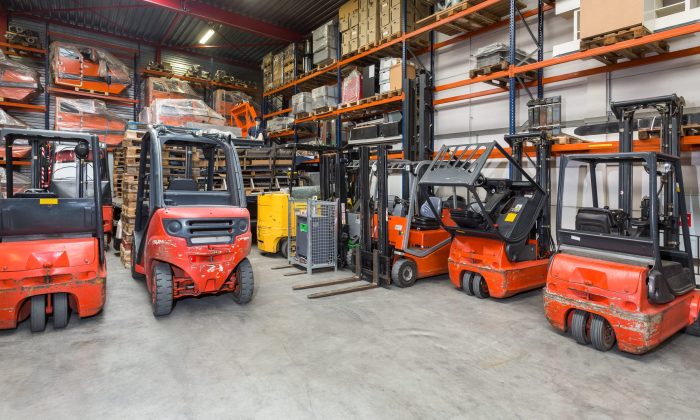
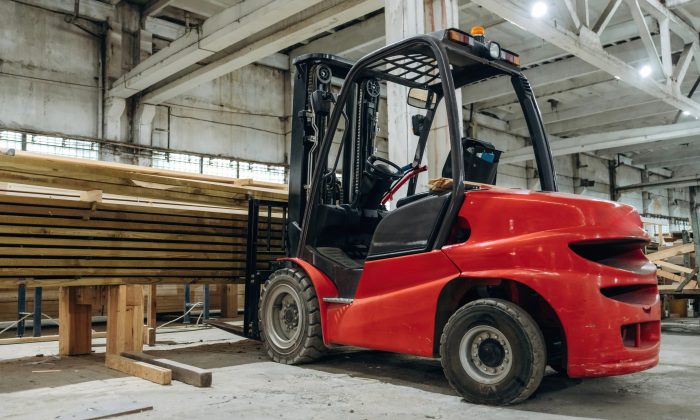
What Is a Reach Truck?
A reach truck is a specialised material-handling machine commonly used in warehouse environments. Its design allows operators to work with loads in areas where vertical storage and narrow aisles are important.
The mast and reach mechanism allow the operator to position loads at different heights. This makes the equipment useful for warehouse storage and stock movement.
However, reach trucks require operators to understand more than basic driving. Operators need to understand load positioning, visibility, steering, stability and safe movement around storage systems.
Proper training helps operators develop these practical skills before working with the equipment in a professional environment.
What Does Reach Truck Training Cover?
Reach truck training focuses on developing safe and controlled operating habits. The exact course content can vary depending on the training provider and equipment.
Training can introduce operators to:
- Reach truck controls
- Pre-use inspections
- Load handling
- Steering and manoeuvring
- Safe travelling
- Load positioning
- Workplace hazards
- Stability considerations
- Safe parking procedures
- Basic operating responsibilities
Practical training is particularly important because operators need to understand how the equipment responds during different movements.
A structured training environment also allows learners to develop confidence while focusing on correct operating procedures.
How Is a Forklift Different?
Forklifts are widely used for moving and lifting materials. They can operate in warehouses, distribution centres, construction environments and other workplaces.
Standard forklifts generally use forks mounted at the front to lift and transport loads. Different forklift types can support different applications.
Forklift operators must understand the relationship between the machine, load and operating environment. They also need to consider visibility, turning space, pedestrian traffic and load stability.
Although some operating principles overlap with reach trucks, operators should not assume that experience with one machine automatically makes them competent with another.
Reach Truck or Forklift: Which Should You Choose?
The right training depends mainly on the equipment used in your intended workplace.
A reach truck may be more relevant if you want to work in:
- Warehouses
- Distribution centres
- Storage facilities
- High-rack environments
- Logistics operations
Forklift training may be more suitable for workplaces that regularly use standard forklifts for loading, unloading and material handling.
If your career plans involve both types of equipment, completing relevant training for each machine can help you develop broader practical skills.
Before enrolling, check which machines are commonly used by employers in your target industry.
Why Practical Training Matters
Operating material-handling equipment involves real workplace responsibilities. Operators need to control the machine while considering people, products, storage structures and other equipment.
Practical training helps learners become familiar with machine controls and operating procedures. It also provides an opportunity to practise movements under structured supervision.
This experience can help learners understand how to approach common operating situations.
However, training should always be combined with workplace procedures and site-specific requirements. Every workplace can have different layouts, hazards and operating rules.
Building a Career in Material Handling
Material handling supports many industries. Warehouses, logistics companies, distribution centres and manufacturing operations all depend on the movement of goods and materials.
Developing machinery skills can therefore support different career pathways.
However, training is only one part of career development. Operators should also develop communication, attention to detail, safety awareness and responsible workplace behaviour.
Employers need people who understand that safe equipment operation is part of overall workplace performance.
Choose Training That Matches Your Goals
Before choosing between reach truck and forklift training, consider the type of workplace you want to enter.
Ask yourself:
- Which machine does the workplace use?
- What type of materials will I handle?
- Will I work in narrow warehouse aisles?
- Will I work with high-level storage?
- Does my target employer require specific equipment skills?
- Would training on additional equipment improve my career options?
These questions can help you select training that supports your practical goals.
Develop Practical Machinery Skills with ITT Institute
ITT Institute provides practical training opportunities for people looking to develop machinery and workplace skills.
The institute offers training across several equipment categories, including forklift, reach truck, TLB, excavator, front-end loader, grader, dump truck, mobile crane and other practical skills.
If you want to develop Reach Truck Training skills, explore the available training options and choose a programme that matches your career direction.
Ready To Enrol with us? Get started now!
Frequently Asked Questions
No. Although both machines handle materials, their designs and operating functions differ. Training should match the equipment you intend to operate.
Previous forklift experience can provide useful knowledge, but operators should receive appropriate training for the specific equipment they operate.
Reach trucks are commonly associated with warehouse and storage environments where vertical storage and manoeuvrability are important.
Practical training allows learners to become familiar with equipment controls, operating techniques and safety procedures.
Consider your target industry, the equipment used by employers and the practical skills required for your preferred role.