
Heavy Machinery Safety: Essential Rules for New Operators
Heavy Machinery Safety: Why It Matters
Heavy machinery plays an important role across construction, mining, earthmoving and other industries. However, these machines can create serious workplace hazards when operators do not follow proper procedures.
Heavy Machinery Safety starts with understanding the equipment and recognising potential risks before operating a machine.
New operators should develop safe habits from the beginning. They should understand equipment controls, conduct appropriate checks and remain aware of people and objects around the machine.
Safe operation is not only about moving a machine correctly. It involves making responsible decisions throughout the entire operating process.
By ITT Institute, South Africa
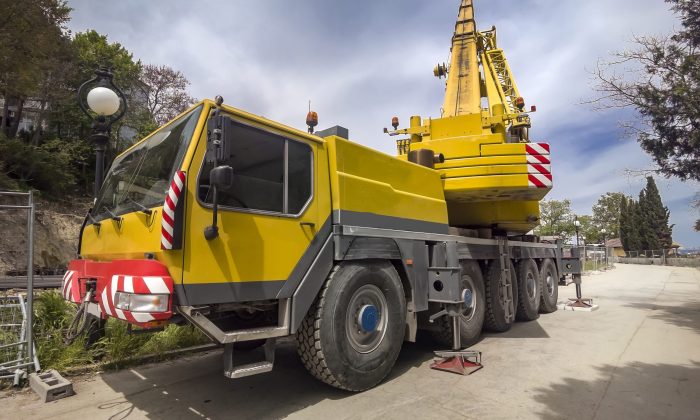
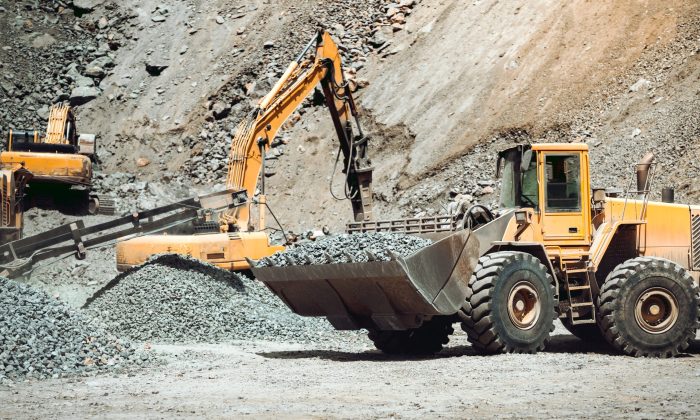
Understand the Machine Before Operating
Every machine has its own controls, capabilities and limitations. Operators should understand these features before attempting to perform work.
Training can introduce operators to important areas such as:
- Machine controls
- Operating procedures
- Safety features
- Pre-use inspections
- Load or attachment considerations
- Safe movement
- Parking procedures
- Workplace hazards
Operators should never assume that experience with one machine automatically transfers to another.
For example, an excavator, grader and front-end loader have different operating characteristics. Each machine requires appropriate knowledge and training.
Complete Pre-Operation Checks
A pre-operation inspection is an important part of safe machinery use.
Operators should follow the inspection process required for their equipment and workplace. Depending on the machine, checks can involve areas such as:
- Tyres or tracks
- Hydraulic systems
- Attachments
- Controls
- Warning devices
- Fluid levels
- Braking systems
- Lights
- Visible damage
If an operator identifies a problem, they should follow the workplace reporting procedure rather than simply continuing to operate the machine.
Small problems can become more serious when operators ignore them.
Be Aware of Your Surroundings
Large machines can create visibility challenges. Operators may not always have a clear view of people, objects or equipment around the machine.
Therefore, situational awareness is essential.
Operators should understand the machine’s operating area before beginning work. They should follow site traffic rules and remain alert to pedestrians and other machinery.
Where required, operators should use spotters, communication systems or other workplace controls.
Good awareness reduces unnecessary risks and helps operators make better decisions.
Understand Load and Machine Limitations
Machines are designed to perform within certain operating limits. Operators should understand these limits and follow the manufacturer’s guidance and workplace procedures.
Overloading equipment or using it incorrectly can affect stability and control.
Operators should consider:
- Load size
- Load weight
- Ground conditions
- Machine position
- Attachment type
- Travel direction
- Operating environment
Never guess whether a machine can safely handle a particular task.
When unsure, operators should stop and seek appropriate guidance.
Follow Safe Travel Procedures
Moving heavy equipment requires careful control.
Operators should travel at a speed suitable for the workplace conditions. They should also account for slopes, uneven ground, pedestrians and other machinery.
Sudden movements can create unnecessary risks.
Operators should also maintain appropriate spacing from people and obstacles. Workplace traffic routes should be followed wherever they are established.
Safe travel is particularly important in busy construction sites, warehouses and industrial environments.
Communication Supports Safer Workplaces
Communication plays an important role when several people and machines operate in the same area.
Operators should understand workplace signals and communication procedures. They should communicate clearly with supervisors, spotters and other workers when required.
Before moving a machine, the operator should know what is happening around the equipment.
Good communication helps prevent confusion and supports coordinated work.
Never Ignore Workplace Hazards
Hazards can change throughout a working day.
A work area that was clear earlier may later contain materials, workers, vehicles or other equipment.
Operators should therefore reassess their surroundings regularly.
Common hazards can include:
- Uneven surfaces
- Poor visibility
- Pedestrian movement
- Overhead obstacles
- Restricted spaces
- Slopes
- Loose materials
- Other moving equipment
Recognising hazards early allows operators to respond before the situation becomes dangerous.
Training Builds Safer Operating Habits
Proper training helps new operators understand the responsibilities involved in machinery operation.
Training should combine knowledge with practical experience. This allows learners to understand machine controls and develop controlled operating habits.
However, operators should continue learning after completing training. Workplace induction, site rules and employer procedures remain important.
Every site can have different hazards and operating requirements.
Develop Your Machinery Skills with ITT Institute
ITT Institute supports practical skills development across several machinery and technical training areas.
Training options include equipment such as forklifts, reach trucks, excavators, TLBs, front-end loaders, graders and dump trucks, along with other practical programmes.
If you’re beginning your machinery career, developing strong Heavy Machinery Safety habits should be part of your training journey.
start your training today!
Frequently Asked Questions
Safe operation helps operators recognise hazards, follow procedures and use equipment responsibly.
Operators should follow the equipment and workplace inspection procedures. Checks can include visible damage, controls, tyres, tracks, fluids and safety equipment.
Different machines have different operating characteristics. Operators should receive appropriate training for the equipment they use.
Follow the workplace reporting procedure and do not continue operating equipment if doing so creates a safety risk.
No. Operators should continue following workplace procedures, site inductions, manufacturer guidance and ongoing safety requirements.