
How Technology Is Changing Heavy Equipment Operations in Mining
Heavy Equipment Operations: Technology Is Changing Mining
Mining operations have changed significantly as technology becomes more integrated into modern workplaces. Heavy equipment remains essential, but digital systems are increasingly influencing how machines are monitored, operated and maintained.
Heavy Equipment Operations now involve more than simply controlling a machine. Operators may work alongside technology that provides information about equipment performance, operating conditions and productivity.
These developments are creating new expectations for people working around heavy machinery.
However, technology does not remove the importance of practical skills. Operators still need a strong understanding of machinery, safety and workplace procedures.
By ITT Institute, South Africa
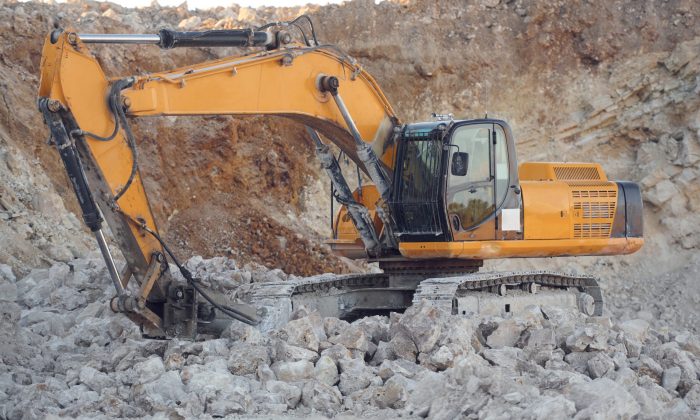
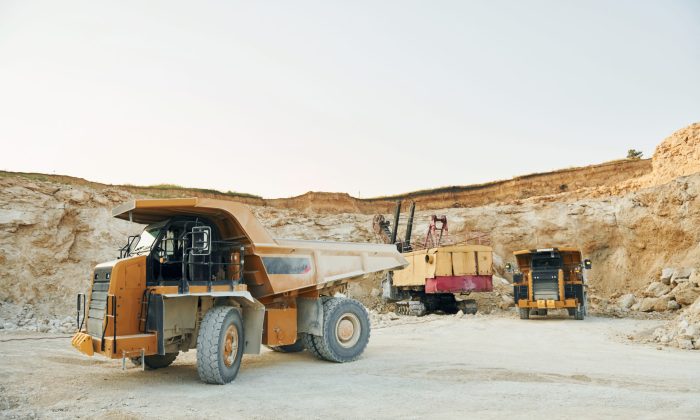
Technology Is Becoming Part of Mining Equipment
Modern mining equipment can incorporate a range of technologies designed to support operations.
Depending on the equipment and mining environment, technology can assist with:
- Equipment monitoring
- Machine diagnostics
- Location tracking
- Fleet management
- Fuel monitoring
- Maintenance planning
- Operator performance monitoring
- Productivity analysis
These systems can provide valuable information to mining teams.
For operators, this means understanding the relationship between the physical machine and the technology supporting it.
Automation Is Changing Operator Roles
Automation is one of the most significant developments affecting mining equipment.
Some mining environments use automated or remotely operated equipment for specific tasks. These systems can allow certain operations to be performed with less direct physical interaction.
However, automation does not necessarily mean that skilled workers are no longer needed.
People may still be required to monitor equipment, interpret information, manage processes and respond to unexpected situations.
As a result, future operators may need both practical machinery knowledge and an ability to work with technology.
Equipment Monitoring Can Support Maintenance
Equipment downtime can affect productivity. Technology can help mining teams monitor machinery and identify potential maintenance requirements.
Sensors and digital monitoring systems can provide information about equipment conditions.
This information can help maintenance teams plan work and investigate potential problems.
For operators, this reinforces the importance of reporting unusual machine behaviour.
Changes in machine performance, unusual sounds or visible problems should not be ignored. Operators play an important role in identifying issues during everyday operations.
Data Is Becoming More Important
Mining companies generate large amounts of operational information.
Data can help teams understand areas such as:
- Machine utilisation
- Operating hours
- Fuel consumption
- Maintenance requirements
- Equipment movement
- Production performance
This information can support operational decisions.
For workers entering the industry, basic digital confidence can therefore become increasingly valuable.
Understanding how to read information and follow digital workplace systems can complement practical machinery skills.
Safety Technology Supports Better Awareness
Technology can also support workplace safety.
Depending on the operation, mining environments may use systems designed to improve awareness of vehicles, people and operating areas.
These technologies can complement established safety procedures.
However, technology should not replace responsible operator behaviour.
Operators must continue following site rules, maintaining awareness and communicating with other workers.
Technology works best when people understand how to use it correctly.
Practical Skills Still Matter
Despite technological developments, machines still need people who understand their physical operation.
An operator needs to understand machine behaviour, ground conditions, attachments, controls and workplace hazards.
Technology can provide additional information, but operators still need practical judgement.
This is why practical training remains relevant.
A strong foundation in machinery operation can help learners understand what the equipment is doing and why certain operating procedures matter.
The Future Requires Adaptable Skills
Mining technology will continue to evolve.
Future workers may encounter increasingly digital equipment and more sophisticated monitoring systems.
This means adaptability can become an important workplace skill.
Operators who remain willing to learn can better respond to changes in equipment and workplace technology.
Useful skills can include:
- Practical machinery operation
- Safety awareness
- Communication
- Problem recognition
- Basic digital literacy
- Attention to detail
- Equipment knowledge
- Willingness to learn
Combining these abilities can help workers adapt to changing work environments.
Training Provides the Practical Foundation
Technology may change how machinery is operated, but understanding the equipment remains essential.
Training can help learners develop foundational machinery knowledge before entering a workplace.
Practical experience allows learners to become familiar with equipment controls and operating procedures.
From there, workplace exposure can introduce them to the specific technologies and systems used by an employer.
Therefore, people interested in mining equipment careers should focus on building both practical and adaptable skills.
Prepare for the Future of Machinery Operations with ITT Institute
ITT Institute offers practical training across a range of machinery and technical skills.
Available training areas include forklift, reach truck, excavator, TLB, front-end loader, grader, dump truck, mobile crane and other practical programmes.
For anyone interested in Heavy Equipment Operations, building a strong practical foundation can be an important first step.
Technology will continue changing the mining industry. However, skilled people who understand machinery, safety and workplace responsibilities will remain an important part of modern operations.
Start Your Training With Us Today!
Frequently Asked Questions
Technology is increasingly used for equipment monitoring, diagnostics, fleet management, maintenance planning and operational information.
Automation can change certain roles and tasks, but people are still needed for monitoring, decision-making, maintenance coordination and other responsibilities.
Operators need to understand machine controls, behaviour, limitations and safety procedures even when technology supports the equipment.
Practical machinery skills, safety awareness, communication, problem recognition and basic digital confidence can all be valuable.
Practical machinery training can help learners build foundational equipment knowledge. Workplace requirements will vary by employer and role.