
Mobile Crane Training: Essential Skills Every Crane Operator Needs
Mobile Crane Training: Essential Skills Every Crane Operator Needs
Mobile cranes play an important role in construction, industrial projects and large-scale lifting operations. These machines allow teams to move heavy materials safely and efficiently when properly operated. However, crane operation requires knowledge, precision and responsibility.
Mobile crane training helps learners understand the skills required to operate lifting equipment correctly. From understanding controls to following safe lifting procedures, training helps develop the knowledge needed for machinery-focused environments.
ITT Institute provides practical training opportunities for individuals interested in developing technical and equipment operation skills.
by itt institute, south africa
Understanding the Role of a Mobile Crane Operator
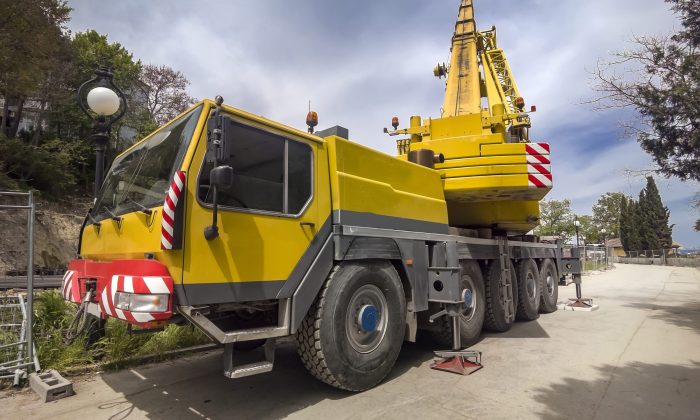
A mobile crane operator manages lifting equipment used to move heavy materials. Operators must understand how the crane functions and how different factors can affect lifting operations.
During mobile crane training, learners can develop knowledge about equipment controls, lifting procedures and workplace responsibilities. This helps them understand the importance of careful planning and controlled operation.
Crane operators must also communicate effectively with other workers on site. Clear communication helps ensure lifting activities are completed according to workplace procedures.
Developing these skills helps operators approach their responsibilities with greater awareness.
The Importance of Safety in Crane Operation
Safety is one of the most important aspects of crane operation. Mobile cranes handle heavy loads, which means operators must understand proper procedures before performing lifting tasks.
Training introduces learners to safe operating practices and the responsibilities involved when working with lifting equipment. Operators need to understand their surroundings, equipment limitations and workplace requirements.
Through proper mobile crane training, learners can develop a stronger understanding of responsible crane operation.
Following correct procedures helps reduce risks and supports safer working environments.
Where Mobile Crane Skills Are Used
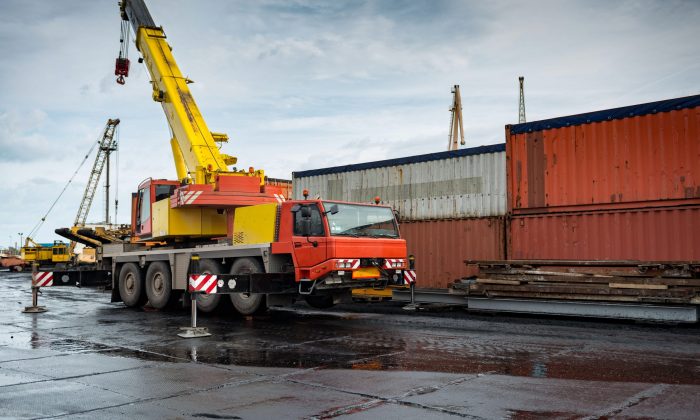
Mobile cranes are used across several industries, including construction, infrastructure projects, manufacturing and industrial environments.
These industries require equipment operators who understand how to work with heavy machinery. Therefore, crane operation skills can be valuable for individuals interested in technical careers.
However, job requirements differ depending on the employer and industry. Some positions may require additional experience or specific qualifications.
Understanding industry expectations can help learners choose training that aligns with their career goals.
Develop Crane Operating Skills with ITT Institute
ITT Institute offers industry-focused training for learners interested in machinery operation and technical skills development.
If you are interested in mobile crane training, contact ITT Institute to learn about available programmes, requirements and training opportunities.
Developing practical equipment skills can help learners prepare for responsibilities within industries that rely on skilled machinery operators.
Start your application process today!
frequently asked questions
A mobile crane operator controls lifting equipment used to move heavy materials. They must understand equipment controls, lifting procedures and workplace safety requirements.
Crane operators need focus, coordination, equipment knowledge and strong safety awareness. Training helps learners develop the skills needed for responsible crane operation.
Mobile cranes are used in construction projects, industrial environments, infrastructure development and other workplaces requiring heavy lifting.
Mobile cranes handle heavy loads and require careful operation. Training helps learners understand safe lifting practices, equipment handling and operating responsibilities.
Mobile crane training can help learners develop skills relevant to construction and industrial environments. However, employers may have additional requirements depending on the position.