
What Is Earthmoving Equipment and Where Is It Used?
Introduction
Large construction and infrastructure projects often depend on machinery to move soil, rock, sand and other materials. These machines can perform tasks that would be difficult, slow or unsafe to complete manually.
Earthmoving Equipment includes different types of heavy machinery designed for excavation, loading, grading and material movement. Excavators, loaders, graders, TLBs and dump trucks are common examples. Each machine has a specific purpose, although some equipment can perform several functions.
Understanding these machines is useful for anyone considering a career in construction, mining or earthmoving. It can help you identify the equipment you may want to operate and the type of training that could support your goals.
by itt institute, south africa
What Is Earthmoving Equipment?
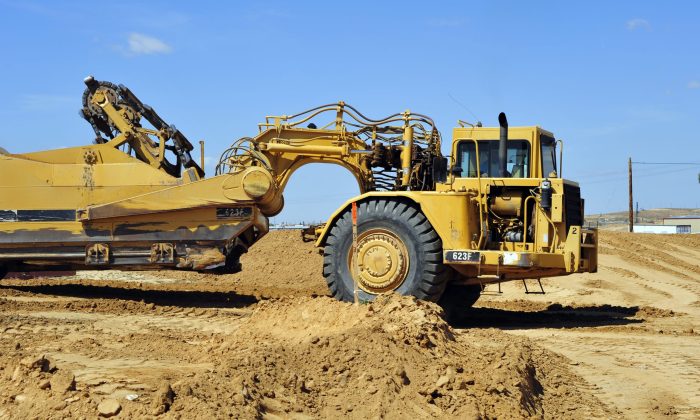
Earthmoving Equipment refers to machinery used to move, dig, load, level or transport materials. These machines vary considerably in size and design.
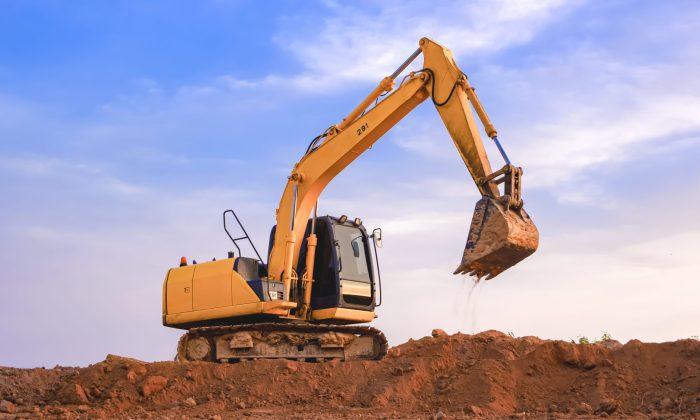
An excavator, for example, uses a boom, arm and bucket to perform excavation and material-handling tasks. A grader uses a long blade to level and shape surfaces. A front-end loader uses a bucket to scoop and move materials.
TLBs combine several functions in one machine. They can perform excavation and loading tasks, making them useful across various projects. Dump trucks then provide a way to transport materials around larger sites.
Because each machine performs different tasks, operators need equipment-specific knowledge. Understanding the machine’s purpose is therefore an important part of becoming a responsible operator.
Excavators and Their Applications
Excavators are among the most recognisable pieces of earthmoving machinery. They can perform digging, trenching and material removal tasks.
Construction projects may use excavators when preparing foundations, digging trenches or moving large quantities of soil. Mining operations can also use excavators for excavation and material handling.
However, operating an excavator requires awareness of the surrounding environment. The operator needs to understand the machine’s movement, working range and limitations. Training can introduce learners to these important considerations.
TLBs and Multi-Purpose Earthmoving
TLBs are versatile machines that can perform several tasks. Their design allows them to excavate material and load or move it.
This flexibility makes TLBs useful on construction sites and other projects where multiple tasks need to be completed. However, versatility does not remove the need for proper training.
Operators need to understand the machine’s different functions and how to use its attachments correctly. They should also understand the safety considerations associated with working around other people and equipment.
Front-End Loaders and Material Handling
Front-end loaders are designed primarily for moving and loading materials. Their large front bucket allows operators to scoop material and transport it over short distances.
Construction sites may use loaders for moving soil, sand, gravel and other materials. Mining and industrial environments can also use loaders for material-handling tasks.
Operators need to understand loading techniques and machine stability. They also need to remain aware of pedestrians, other vehicles and changing site conditions.
Graders and Surface Preparation
Graders perform a different role from excavators and loaders. They are commonly used to level, shape and prepare surfaces.
Road construction is one environment where graders can play an important role. Operators need to maintain control while producing the required surface profile.
Precision is important because uneven surfaces can affect later stages of a project. Therefore, grader operators need concentration and an understanding of the equipment.
Dump Trucks and Material Transportation
Dump trucks help transport materials around large worksites. They can carry soil, rock, sand and other materials between different areas.
Their role becomes particularly important when excavation produces large quantities of material. Dump trucks can move the material efficiently while supporting the overall workflow.
However, operators need to understand loading, positioning, reversing and dumping procedures. They must also remain aware of other machinery operating nearby.
Where Is Earthmoving Machinery Used?
Earthmoving machinery is used across several industries. Construction companies can use it for site preparation, excavation, road construction and infrastructure projects.
Mining operations also rely on heavy machinery for various earthmoving and material-handling activities. Infrastructure developments can require equipment for roads, drainage and other large-scale projects.
Other applications can include land preparation, landscaping and specialised earthworks. The type of machinery required depends on the specific project.
Why Operator Training Matters
Powerful machinery requires responsible operation. Operators need to understand controls, equipment limitations, site conditions and safety procedures.
Practical training can help learners become familiar with the equipment they intend to operate. It can also introduce important pre-operation checks and responsible operating practices.
At ITT Institute, learners can explore training programmes covering several types of Earthmoving Equipment. These include excavator, TLB, Bobcat, front loader, grader and dump truck training.
Choosing the Right Machinery Course
The best course depends on the machine you want to operate and the career direction you are considering.
Start by identifying the type of work that interests you. Then research which machinery that industry commonly uses. Once you understand the connection, you can select a course that aligns with your goals.
If you are unsure which option suits you, contact ITT Institute for guidance before applying. Making an informed choice can help you focus your training on relevant practical skills.
Conclusion
Earthmoving Equipment plays an important role in construction, mining and infrastructure work. Each machine has different capabilities and operating requirements.
Understanding these differences can help aspiring operators choose suitable training. If you want to develop practical machinery skills, explore the relevant ITT Institute programmes and start your training journey.
start your training with us today!
Frequently Asked Questions
Earthmoving Equipment includes machinery designed to dig, move, load, level or transport materials.
Common machines include excavators, TLBs, front loaders, graders, Bobcats and dump trucks.
It is commonly used in construction, mining, infrastructure, roadwork and other earthmoving environments.
Training helps operators understand equipment controls, operating procedures, safety considerations and workplace responsibilities.
Consider which machine you want to operate and the type of work or industry you want to enter.