
Boilermaker Course at ITT institute
Develop Practical Metalworking Skills
A boilermaker course can help learners develop practical skills for metal fabrication and industrial work. Boilermakers work with metal components used in various engineering and construction environments. Therefore, learners need knowledge of materials, tools and fabrication processes. Training can introduce learners to techniques used when preparing and assembling metal components. It can also develop awareness of workplace safety and responsible equipment use. Practical learning allows students to apply their knowledge while developing greater confidence with metalworking tasks. These skills can support individuals who want to pursue hands-on careers within technical industries. ITT Institute provides industry-focused training opportunities for learners developing practical career skills.
Learn the Fundamentals of Fabrication
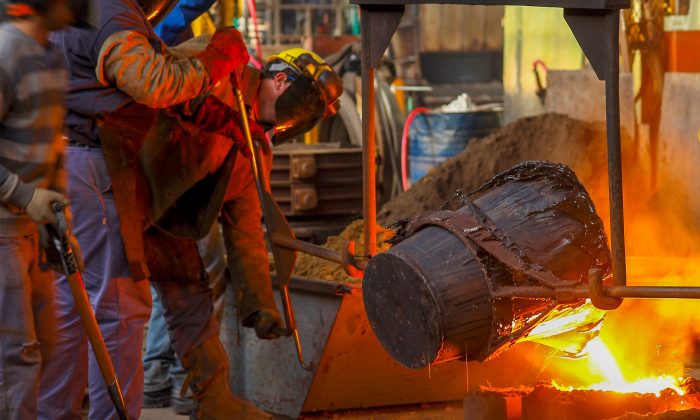
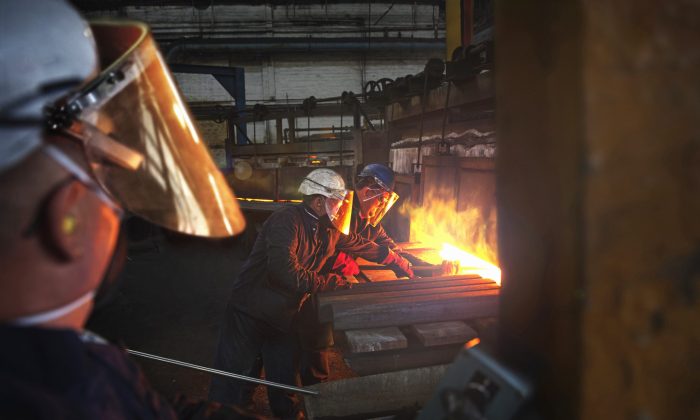
Successful metal fabrication requires accuracy, planning and careful attention to detail. A boilermaker course can introduce learners to important fabrication principles and working methods. These may include measuring materials, preparing components and assembling metal structures. Learners can also develop an understanding of tools and equipment used during fabrication work. Furthermore, training can highlight the importance of following workplace procedures when handling machinery and materials. Practical instruction helps learners connect technical concepts with real-world tasks. As they progress, learners can develop a stronger understanding of how different fabrication processes work together. This foundation can support further skills development within engineering and industrial environments.
explore Industrial Environments
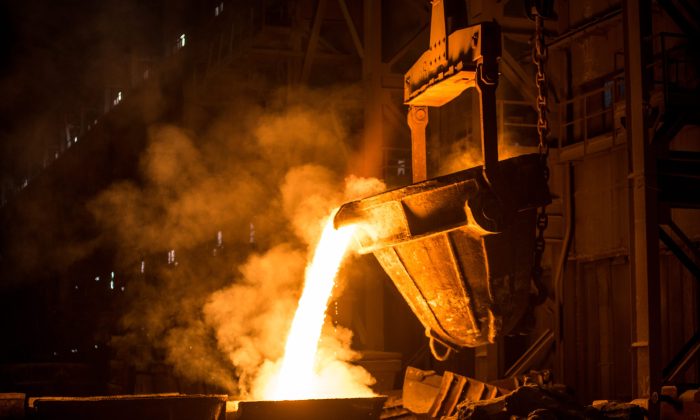
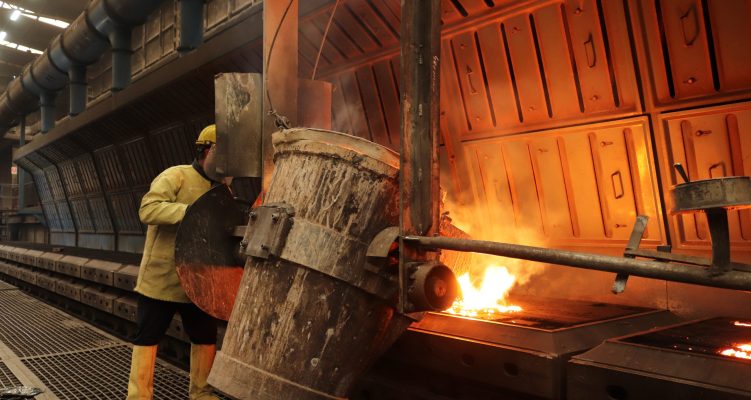
Boilermaking skills can apply across several industries that depend on metal structures and fabricated components. These include construction, engineering, manufacturing, mining and industrial maintenance. As a result, a boilermaker course can appeal to people seeking practical technical career paths. However, employers often have different requirements for individual positions. Some roles may require additional qualifications, experience or specialised technical skills. Learners should therefore consider their preferred industry before selecting further training. Building strong foundational skills can nevertheless help individuals understand the demands of fabrication-based work. It can also provide a starting point for developing more specialised abilities throughout their careers.
Start Your Training at ITT Institute
Choosing the right training provider can make your skills-development journey more structured and focused. ITT Institute offers industry-related training for learners interested in practical and technical careers. Based in Kempton Park, Gauteng, the institute provides programmes designed around skills relevant to various industries. A boilermaker course can help learners develop foundational knowledge for metal fabrication and industrial work. Contact ITT Institute to confirm the current course availability and training requirements. You can also enquire about fees, upcoming dates and the registration process. Start developing practical skills that can support your progression towards a career in fabrication and related technical fields.
frequently asked questions
Boilermaking training introduces learners to metal fabrication, component preparation and assembly. Training can also cover equipment use and workplace safety.
Boilermakers work with metal components and structures used in industrial environments. Their work can involve fabrication, assembly, maintenance and repairs.
Boilermakers can work across industries such as mining, engineering, construction, manufacturing and industrial maintenance.
Learners can develop skills related to measuring, cutting, preparing and assembling metal components. Training can also introduce relevant safety procedures.
Yes, practical ability plays an important role in boilermaking. Training helps learners become familiar with tools, equipment, materials and fabrication processes.